English (UK)
  Nederlands
 What is Traumasensitive working?
Working trauma-sensitively means that people take into account the potential impact of trauma on people's behaviour and development, and tailor their approach accordingly.
>It is about creating a safe environment, fostering positive relationships, and handling emotions and behaviour in a way that strengthens the individual's resilience. Of course, this is healthy behaviour for everyone. Trauma sensitivity is a scientific and, more importantly, psychological term for simply acting positively and constructively between people, in situations involving processing an experienced trauma. Not remaining aloof, but actively acting in an empathetic team-oriented way.
What does trauma-sensitive working entail?
- Providing security:
Creating an environment where people feel safe and secure is crucial.
This includes being reliable, keeping appointments, and non-judgmental.
Not judging here means taking action and supporting someone so that learning can take place.
The behaviour sometimes requires correction, you then do that on the behaviour, so don't condemn 'on the person'. - Foster relationships:
Building positive team relationships and fostering social support is essential.
>This can be done by actively listening, clarifying and repeating, and looking at a colleague's strengths. - Managing emotions and behaviour:
Understanding the underlying causes of behaviour, even when it is illogical or violent. And providing structure and support in regulating emotions and behaviour. - Awareness of trauma:
Recognising that profound experiences (trauma) can affect people's stress system, health and development. - Personal experience:
It is important that bystanders are also aware of their own experiences and how these may affect their perspective. - Connecting with the individual:
Every individual is different, and it is important to match the person's specific needs and pace. - Focus on resilience:
Trauma-sensitive work sometimes focuses on the past, but mostly on strengthening resilience. And finding a positive future perspective.
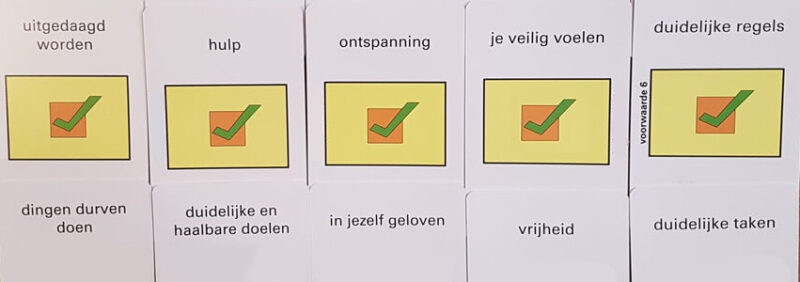
Trauma-sensitive working at Team4teams
Trauma-sensitive working is an approach that goes beyond traditional counselling.
>It is a way of working that focuses on restoring resilience, promoting recovery and creating a safe environment, in which people can grow and develop.
Holding up a mirror to someone doesn't work here. The trauma 'disrupts', makes someone anxious and unbalances them.
Proactively sensing, thinking along and taking action on how to prevent a re-experiencing of trauma is the approach.
Team coaches are familiar with the negative effects of trauma. As soon as trauma occurs, trauma-sensitive work is used to help process trauma.
Examples of trauma-sensitive work:
In business: Colleagues together care for a positive working environment. Development, creation and joint learning from mistakes are encouraged. The company's objectives are kept central to this and people are empathetic where attention to what is not going is made appropriate.
>In government: In daily work, one observes the health and emotions of colleagues and citizens traumatically. There is an active attitude to keep the work environment healthy. Citizens' behaviour is flexibly bounded and accommodated.
>In education: Teachers who create a safe learning environment and consider the impact of stress and trauma on students.
>In healthcare: Social workers providing trauma-sensitive care, considering the potential impact of trauma on people's health and emotions.
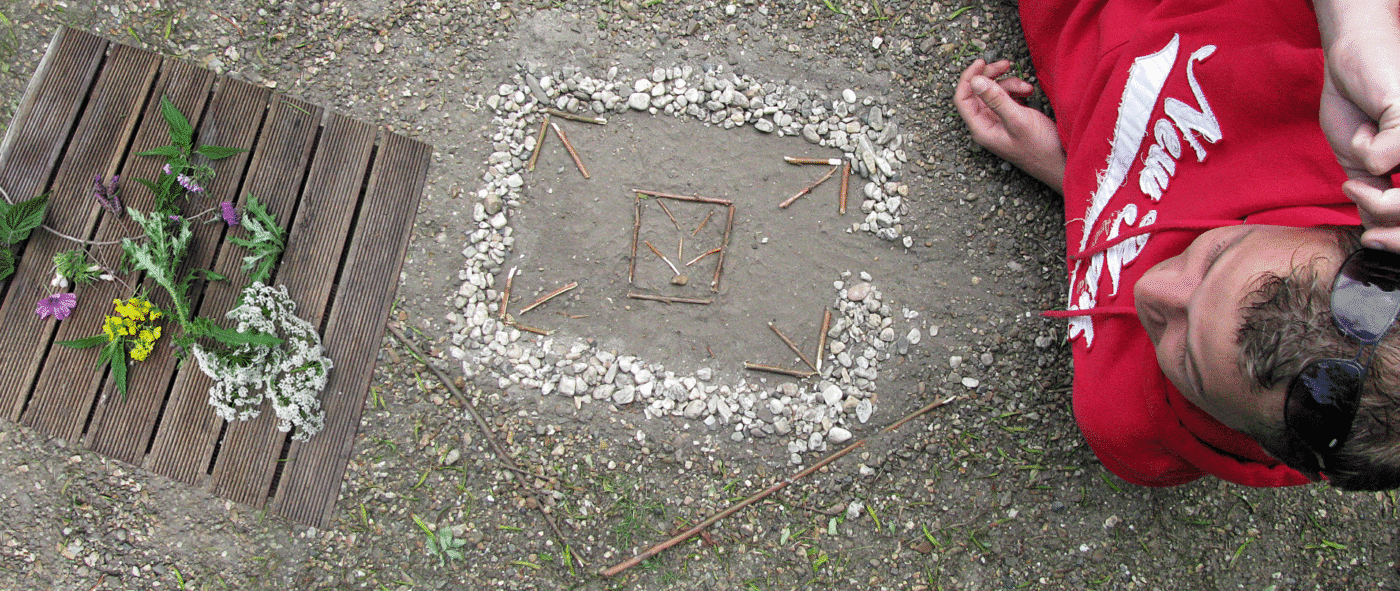
What is trauma?
Science: A trauma scientifically means an injury, both physical and mental, resulting from a shocking event. It can lead to disturbances in psychological and behavioural functioning.
Medicine: In medicine, trauma is a (life-threatening) physical injury.
Psychology: trauma is the emotional and psychological damage that results from a shocking or traumatic experience. It is a reaction to an event that is so overwhelming that the normal ability to cope is overloaded. This reaction may manifest as persistent fear, anger, or other feelings that negatively affect a person's functioning.
Psychiatry: a trauma is primarily viewed in psychiatry as a psychological wounding or injury that occurs after a major, shocking event. This event is experienced as physically or emotionally harmful or threatening and has long-term negative effects on an individual's functioning and well-being.
vernacular: In popular parlance, trauma increasingly equates to a major disappointment. In the process, the term trauma takes on a new lighter meaning. Losing the Women's European Football Championship final is traumatic. The effects here are short-lived. An anxiety reaction is mainly there during the tournament.
Team coaching: Trauma here is mainly a reaction to unwanted behaviour. A negative work situation, conflict, dismissal, reorganisation, unsafe work atmosphere, hierarchy, impotence, powerlessness, loneliness through isolation, morally reprehensible behaviour, can be traumatic. If one then later returns to a similar preliminary phase, the old trauma can again play a negative role.
Trauma-sensitive being, or working traumasensitive, means taking into account the potential impact of trauma on a person's behaviour, emotions and well-being, and responding accordingly.